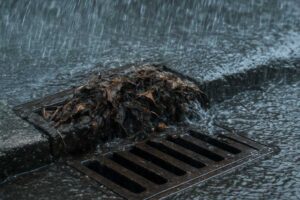
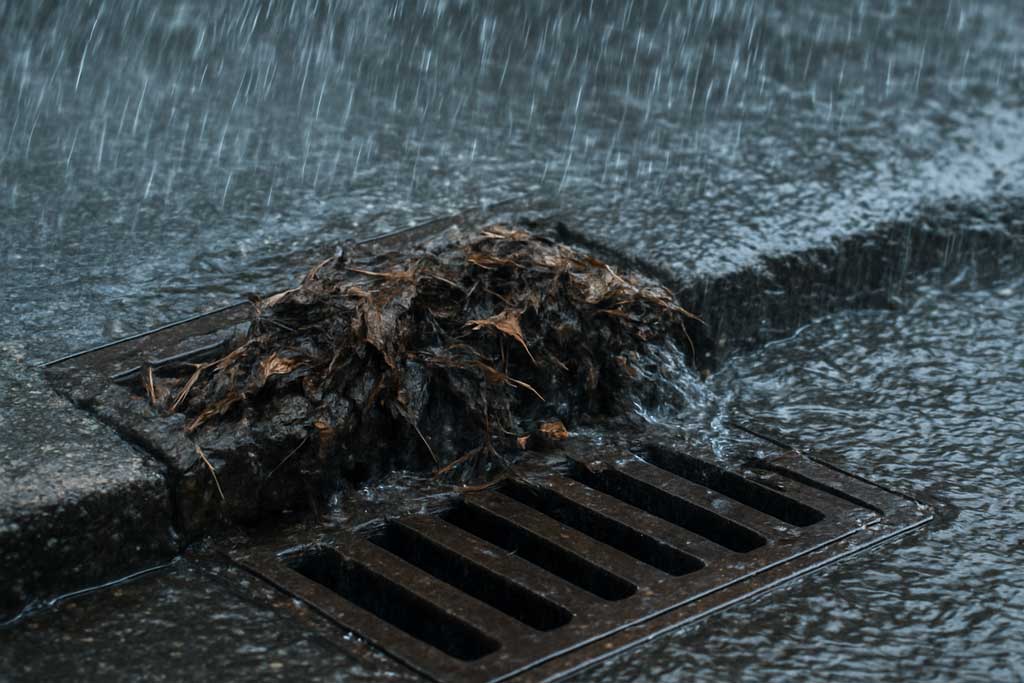
Most of us only think about drains when something goes wrong. A gully overflows after a downpour, a pavement smells off for days, or a manhole cover starts burbling in a way that feels faintly apocalyptic. Heavy summer rain often exposes what has been building up for months: silt, grease, tree roots, and old pipework that can no longer cope properly.
In towns with a mix of older streets and newer estates, drainage can be patchy. One road gets through a storm unscathed, while the next ends up with standing water creeping towards front doors. That unevenness is one reason local knowledge matters. Looking into an issue like blocked drain Swindon is not just about one household inconvenience. It also points to a bigger question about how places cope with heavier bursts of rain and ageing infrastructure.
The small warning signs people ignore
Drainage problems rarely arrive without notice. More often, they show up in boring, easy to dismiss ways:
- water draining slowly after showers or washing up
- gurgling sounds from plugholes
- bad smells outside after rain
- puddles that reappear in the same spot
None of this is especially dramatic, which is why people put it off. But once a system is partly blocked, a storm can turn a manageable nuisance into a messy, expensive weekend.
There is also a wider civic angle. Drains are one of those invisible public goods, ignored when they work and instantly controversial when they fail. As weather patterns grow less predictable, the humble drain deserves more attention than it gets. Not glamour, exactly, but a bit more respect.
Featured image credit: AI generated.